Skip to content

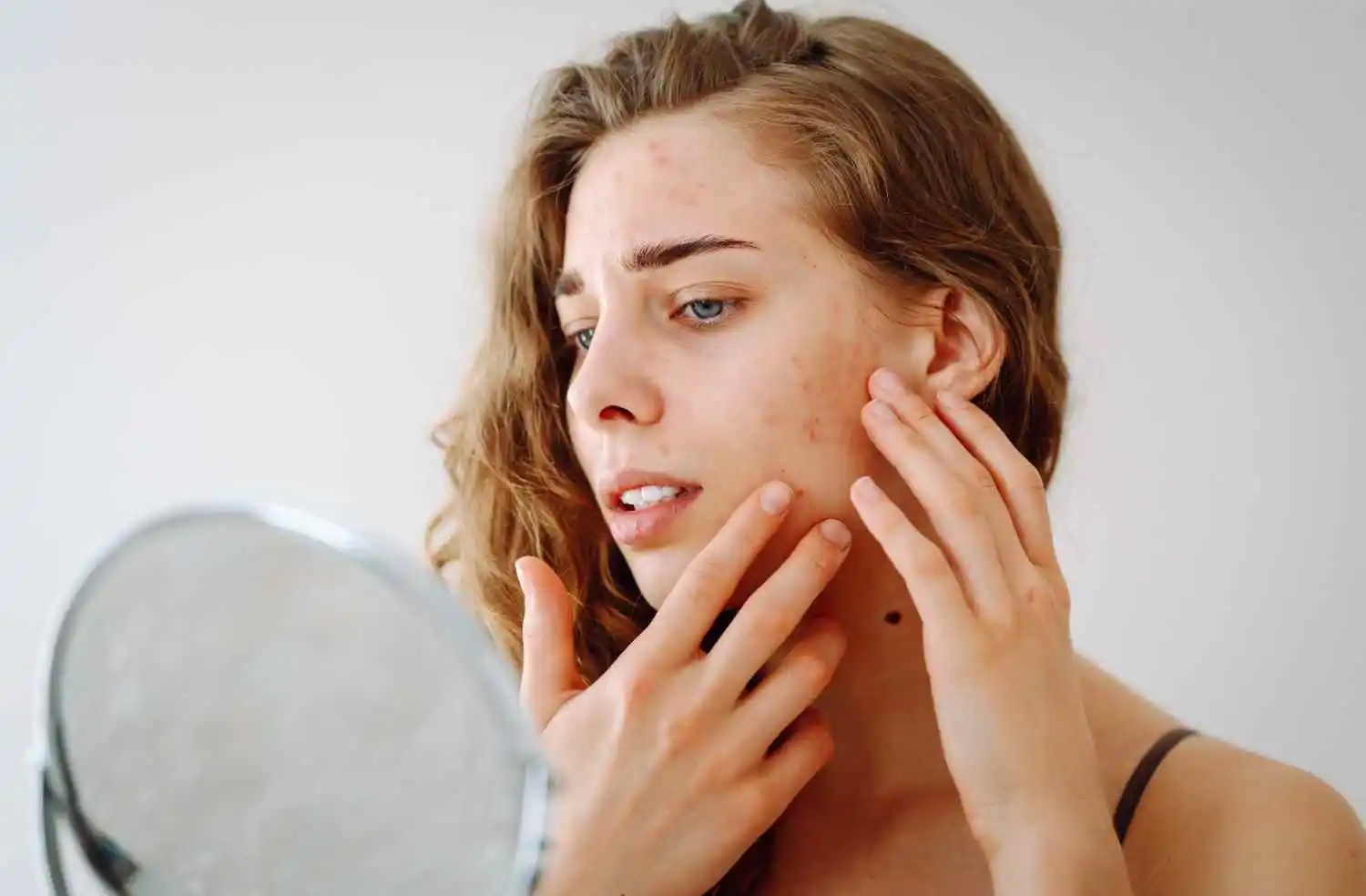
Skin texture can reveal more than dryness or a need for exfoliation. A rough surface, shallow depressions, fine creases, or patches that feel less smooth may point to different changes within the skin. Some concerns develop as collagen declines, while others reflect past acne or years of ultraviolet exposure.
Because several concerns can look similar, choosing a skin texture treatment starts with understanding what may be causing the change. Skin resurfacing can then address the visible surface and encourage renewal below it instead of treating every irregularity the same way.
What can changes in skin texture reveal about underlying skin damage?
Changes in skin texture may reflect several underlying concerns, including reduced collagen, acne scarring, and accumulated sun exposure. Fine creasing or reduced firmness may be linked to collagen loss, while depressions can develop after acne and persistent roughness may be associated with sun damage. Identifying the likely cause can help guide an appropriate skin resurfacing treatment for improving the skin’s overall texture and appearance.
What Uneven Skin Texture Can Tell You
Uneven skin texture is a broad description, not a single diagnosis. Skin may feel coarse in one area and appear indented or creased in another. The pattern and history of the change can offer useful clues.
Texture related to aging often develops gradually and may come with reduced firmness or fine lines. Acne-related texture tends to follow previous breakouts and may create pits or shallow depressions. Sun exposure can leave the surface rougher, drier, and less even in tone.
A professional evaluation helps separate these possibilities because more than one factor may be involved. That distinction can influence the depth, intensity, and type of skin resurfacing treatment selected.
3 Texture Patterns That May Point to Different Causes
1. Soft Creasing and Reduced Firmness
Skin that seems thinner, less springy, or more finely creased may show signs associated with collagen loss skin. Collagen provides structural support, and its gradual decline can make the surface appear less dense and smooth.
This change does not always create obvious rough patches. Instead, the skin may look less refined around the cheeks, mouth, or lower face. Treatments that encourage controlled renewal may be considered as part of a skin rejuvenation treatment plan.
2. Indented or Irregular Areas After Acne
Acne scars often create changes in depth rather than simple roughness. Rolling scars can create shallow waves, boxcar scars may have broader edges, and ice pick scars can appear narrow and deep.
An acne scar treatment should account for scar type because different patterns respond differently. Skin resurfacing for acne scars may help soften visible irregularities by targeting damaged tissue and supporting remodeling, although results vary by patient.
3. Roughness Linked to Repeated Sun Exposure
Long-term sun exposure can affect tone and texture together. The skin may feel rough, look blotchy, or develop fine surface lines as cumulative ultraviolet exposure alters skin quality.
A sun damage treatment may focus on areas where texture and discoloration overlap. Skin resurfacing for sun damage can help remove damaged surface cells and encourage a more even appearance while settings are adjusted for the individual’s skin.
When Several Texture Concerns Overlap
Not every area of uneven skin has one cause. Someone with old acne scars may also have age-related collagen decline, while sun exposure can add surface roughness to an already irregular complexion.
This overlap is why treatment planning should be based on the skin itself rather than a single label. A provider may evaluate scar depth, pigment changes, fine lines, sensitivity, and healing history before recommending facial skin resurfacing.
The aim is to match treatment to the dominant concern while recognizing that other changes may need a separate approach or additional sessions.
PICO Technology as a Specialized Resurfacing Technique
PICO technology uses short pulses of laser energy delivered in a controlled way to targeted areas of the skin. Treatment settings can be adjusted to reach specific depths based on the concern.
The energy creates a controlled response that can support collagen and elastin production. Depending on the settings and treatment plan, it may also help remove damaged outer skin cells, so healthier cells can replace them during healing.
This makes PICO a specialized option for concerns involving texture, scars, fine lines, and visible sun-related changes. It is not used at the same intensity for every patient. Skin condition, goals, sensitivity, and acceptable downtime influence how the procedure is performed.
Mild redness or discomfort may occur afterward, and many patients can return to regular activities within a few days. Sun protection and gentle skincare are important during recovery. Several sessions may be recommended for established texture changes or scarring.
Botoxie Medical Aesthetics Skin Resurfacing in San Diego, CA
At Botoxie Medical Aesthetics, we offer skin resurfacing in San Diego, CA using PICO technology for patients concerned about scars, wrinkles, uneven texture, and signs of sun exposure.
We begin by assessing the skin rather than applying the same settings to every person. This allows us to adjust treatment depth and energy according to the concern, skin type, and expected recovery. Our approach focuses on controlled treatment of damaged skin while supporting the body’s natural regenerative response.
Our team will also explain what patients may experience afterward, including temporary redness, sensitivity, and the importance of protecting treated skin from the sun. Some people notice changes after one session, while others may benefit from a series based on the type and severity of the concern.
Our goal is to use PICO technology thoughtfully as part of a personalized plan for smoother, more even-looking skin without overstating what one procedure can accomplish.
Ready to improve uneven texture, acne scars, or sun damage? Schedule a consultation with Botoxie in San Diego, CA to explore personalized skin resurfacing options.
Frequently Asked Questions
Can Skin Texture Show Signs of Collagen Loss?
Fine creasing, reduced firmness, and a less smooth surface can be associated with gradual collagen decline.
Can Resurfacing Improve Acne Scars?
Resurfacing may soften certain acne scar patterns by encouraging controlled skin renewal and collagen remodeling.
Is PICO Resurfacing Used for Sun Damage?
PICO technology may be used to address rough texture, uneven tone, and other visible changes associated with sun exposure.