Skip to content
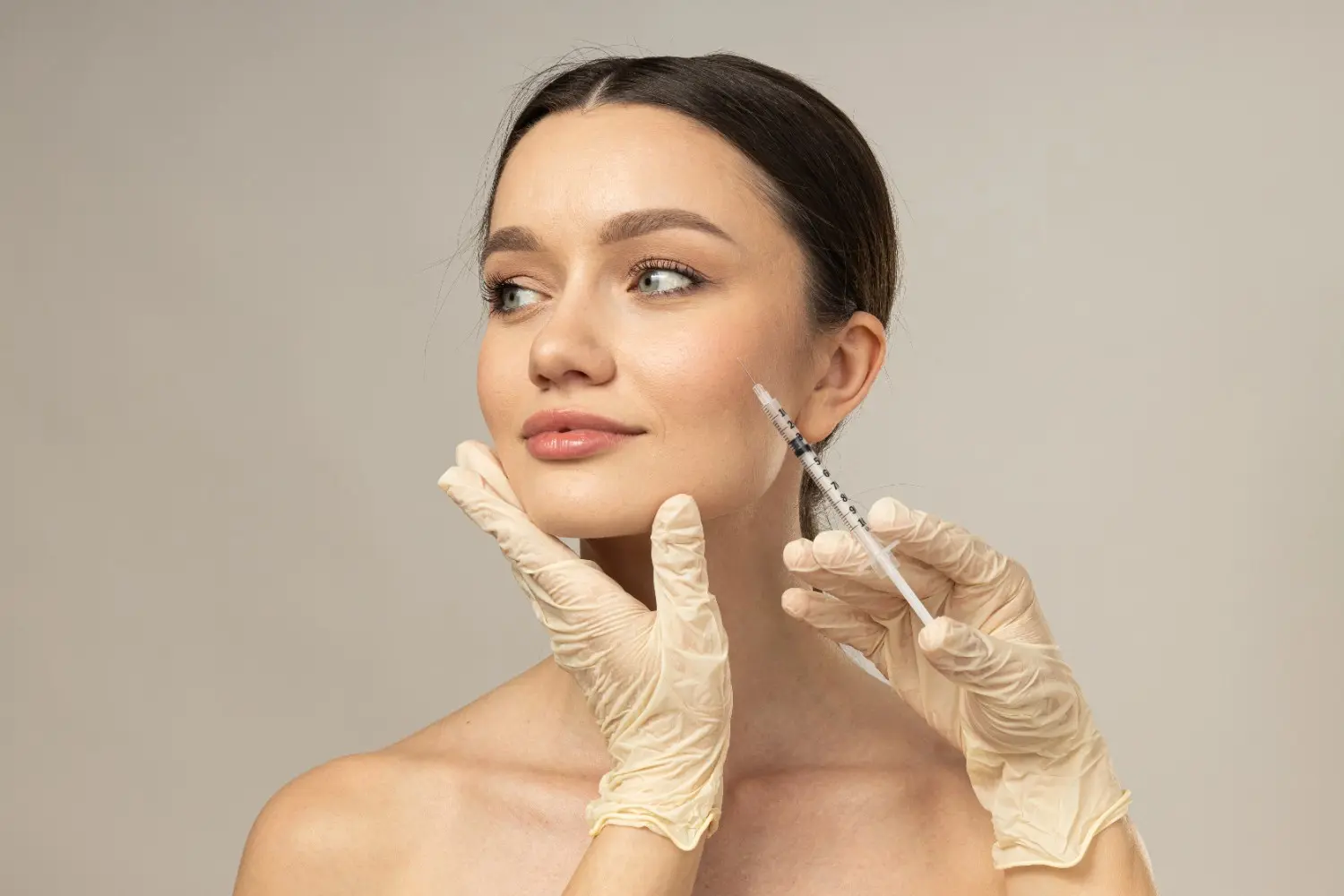
Many people expect Botox to smooth wrinkles for several months, so it can be disappointing when facial movement seems to return earlier than anticipated. Seeing lines gradually reappear does not necessarily mean the treatment was unsuccessful. Several factors influence how long does Botox last, from your natural muscle activity to the way your treatment plan is customized. Understanding these factors can help you set realistic expectations and have more productive conversations with your provider.
How long does Botox last for most people?
Most Botox treatments remain noticeable for about three to four months, although individual results vary.
Why Does Botox Wear Off Faster Than Expected?
Botox wears off quickly for some individuals because muscles regain activity at different rates. The treatment area, muscle strength, injection technique, dosage, and natural biological differences all play a role in how long does Botox last. In many cases, results fade gradually as the treated muscles slowly recover their normal movement.
What Happens as Botox Begins to Wear Off?
Botox works by temporarily reducing communication between nerves and targeted muscles. As those nerve signals gradually return, treated muscles begin contracting again, allowing facial expressions to become more active. This process happens over time rather than all at once.
Many patients first notice subtle movement returning before wrinkles become fully visible. For example, forehead lines may become slightly more noticeable when raising the eyebrows, while frown lines may gradually reappear during facial expressions. This gradual change is a normal part of the treatment cycle.
Experiencing Botox results fading fast does not always indicate that something went wrong. Every person’s body responds differently, and several factors can influence how long the relaxing effects remain noticeable.
Factors That Can Affect How Long Does Botox Last
Strong Facial Muscles
People who naturally have stronger facial muscles often use them more frequently throughout the day. Repeated expressions such as raising the eyebrows, squinting, or frowning place greater demands on those muscles, which may contribute to movement returning sooner than expected.
Areas that receive constant use often show changes first because the muscles are naturally more active. This variation is completely normal and does not necessarily reflect the quality of treatment.
Individual Biological Differences
No two people respond to Botox exactly the same way. One individual may enjoy results for nearly four months, while another notices increased movement after two or three months.
This difference is not simply about having a “fast metabolism.” Instead, the body gradually restores communication between nerves and muscles at its own pace. Genetics, muscle characteristics, and individual physiology all influence how quickly this process occurs.
Treatment Planning
The amount of Botox used and where it is placed both contribute to treatment longevity. Every face has unique muscle patterns, which is why treatment should be based on an individual’s anatomy rather than a standard formula.
Some patients prefer conservative dosing to preserve more natural movement, while others require additional units because of stronger muscle activity. Finding the right balance often takes experience and open communication between patient and provider.
First-Time Treatments
Patients receiving Botox for the first time sometimes notice that their initial treatment does not last quite as long as later sessions.
As treatments are repeated over time, muscles may become less active between appointments because they spend more time in a relaxed state. This does not happen for everyone, but it is a common observation during ongoing maintenance.
6 Botox Maintenance Tips for More Consistent Results
Keeping your results consistent often depends on more than the treatment itself. These practical habits may help you maintain a predictable schedule.
- Follow your aftercare instructions. Your provider’s recommendations are designed to support proper treatment during the first several hours after injections.
- Stay consistent with appointments. Waiting until all movement has returned may make it more difficult to maintain consistent results over time.
- Protect your skin from sun exposure. Daily sunscreen helps minimize additional skin damage that can make fine lines appear more noticeable.
- Maintain a healthy skincare routine. Cleansing, moisturizing, and using appropriate skincare products help support overall skin quality alongside injectable treatments.
- Keep track of your results. Noting when movement begins returning can help your provider adjust future treatment timing if needed.
- Discuss any changes with your injector. Sharing your experience allows your provider to evaluate whether treatment adjustments may improve future outcomes.
Can You Learn How to Make Botox Last Longer?
Many patients search for reliable ways to extend their results, but there is no guaranteed method that works for everyone. Botox naturally wears off as nerve activity gradually returns, and this biological process cannot be completely prevented.
That said, several healthy habits may help support more consistent treatment outcomes. Attending follow-up appointments as recommended, protecting your skin from excessive sun exposure, maintaining good skincare habits, and communicating openly with your provider all contribute to long-term treatment planning.
Understanding how to make Botox last longer is often less about finding a single solution and more about developing a treatment schedule that matches your individual response.
When Should You Talk to Your Provider?
Most patients notice Botox fading gradually over several months. Certain situations, however, deserve a conversation with your injector.
Consider scheduling a follow-up if:
- Your results lasted only a few weeks.
- One side of your face regained movement much sooner than the other.
- You noticed very little improvement after treatment.
- Your aesthetic goals have changed since your previous appointment.
These discussions help your provider determine whether adjustments to dosage, treatment areas, or appointment timing may improve future results.
Botoxie Botox in San Diego, CA
Choosing an experienced provider is an important part of achieving natural-looking results. At Botoxie, patients receive personalized care designed around their unique facial anatomy, treatment goals, and comfort.
Our team offers Botox in San Diego, CA, for patients seeking a non-surgical option to soften fine lines and facial wrinkles while maintaining natural facial expression. Every treatment begins with a thoughtful consultation so the provider can understand your concerns and recommend a customized treatment plan.
Patients also benefit from experienced professionals who perform Botox treatments with precision and attention to detail. Combined with a welcoming, relaxing environment, this individualized approach helps create a comfortable treatment experience from consultation through follow-up care.
Want longer-lasting Botox results? Schedule a personalized consultation today.
Frequently Asked Questions
Why are my Botox results fading fast?
Stronger facial muscles, individual biology, treatment planning, and previous treatment history can all affect how quickly movement returns.
Can I prevent Botox wears off quickly?
There is no guaranteed way to prevent Botox from wearing off, but following your provider’s recommendations and maintaining regular appointments may help support more consistent results.
What are the best Botox maintenance tips?
Following aftercare instructions, protecting your skin, maintaining a healthy skincare routine, and keeping regular treatment appointments are among the most helpful maintenance habits.