Skip to content
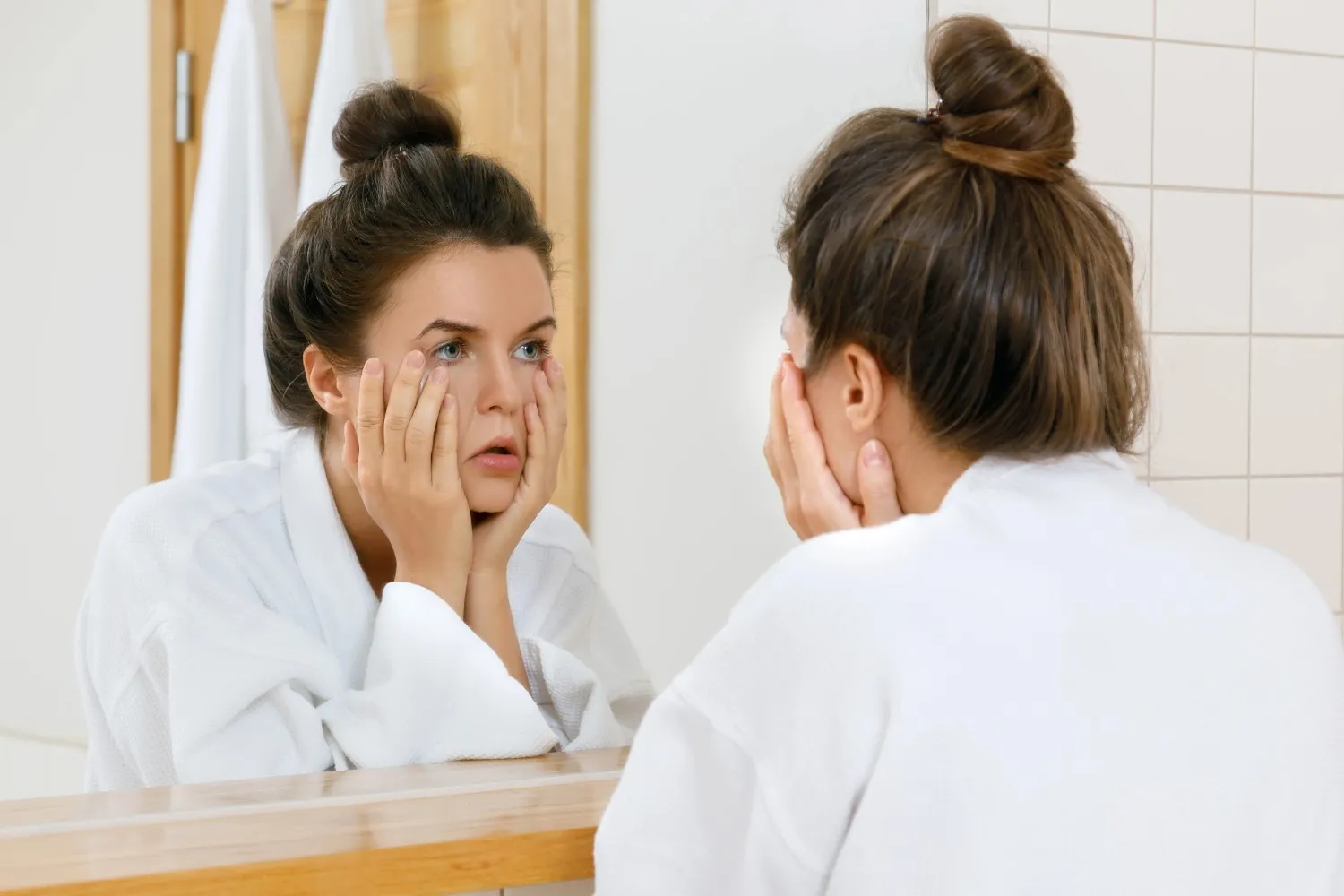
If your face still looks tired after a full night of sleep, the issue may be deeper than rest. A tired-looking face can come from collagen loss, facial volume loss, under-eye hollows, dull texture, or mild skin laxity that makes your features look less supported and less refreshed. Sculptra helps address these underlying changes by gradually stimulating collagen, making it a smart option for patients who want a natural-looking refresh that helps their face better match how energized they feel.
What is the main cause of a tired-looking face even when rested?
What is the main cause of a tired-looking face even when rested?
The Face Can Look Tired Because of Light, Texture, and Support
Some of the most common causes of tired-looking skin have less to do with sleep and more with how the face reflects light. Smooth, hydrated, supported skin tends to look brighter. Dryness, uneven texture, hollowing, and laxity can make the same face look drawn.
This is why makeup or eye cream may not fully solve the concern. Concealer can soften discoloration, but it cannot replace cheek support. Moisturizer can improve dryness, yet it may not address deeper volume changes. Brightening products can aid with tone, but they may be inadequate in altering a shadow caused by facial structure.
A good treatment plan starts by identifying what is actually creating the tired look. For some people, the main issue is skin quality. For others, it is a loss of support in the cheeks or temples.
Under-Eye Hollows Can Create a Shadowed Look
The under-eye area is one of the first places fatigue seems to show, even when fatigue is not the real problem. The skin is naturally thin, so small changes in volume, circulation, or pigmentation can be easy to notice.
Under-eye hollows can make the area beneath the eyes look darker because of shadow, not necessarily because the skin is deeply discolored. If the darkness is caused by shape, a brightening cream may offer only limited improvement.
The cheeks also affect how the under-eyes look. When the midface loses support, the line between the lower eyelid and cheek can appear sharper. That sharper transition can make the eyes look heavy, sunken, or less awake. Treating the under-eye area without looking at the surrounding facial structure may miss part of the reason the face looks tired.
Facial Volume Loss and Sagging Can Change Your Resting Expression
A refreshed face usually has quite a support in the cheeks, temples, and lower face. As collagen and natural fullness change, the face can look flatter or more angular. Facial volume loss may show up as hollow temples, softer cheeks, deeper folds, or a less defined lower face.
These changes are often gradual. Many patients do not notice them right away. They simply feel that their face looks different in photos, or that they need more makeup to look rested. Weight changes, genetics, aging, sun exposure, and natural collagen decline can all play a role.
Skin laxity can add to this effect. Common sagging skin causes include collagen loss, repeated sun exposure, facial fat changes, and genetics. As the skin becomes less firm, the cheeks or lower face may look heavier. This can make the expression appear sad, tired, or tense even when you feel relaxed.
Addressing these concerns does not always mean adding obvious volume. Often, the goal is to restore subtle support so the face looks more balanced at rest.
Dark Circles Are Not Always the Same Problem
Many people look for dark circles treatment because under-eye darkness is so closely linked with looking tired. The challenge is that dark circles can come from several different sources. Pigment, visible vessels, allergies, fluid retention, thin skin, and hollowing can all create a darker under-eye appearance.
This is why one person may do well with brightening skincare, while another sees little change from the same product. Pigment needs a different approach than puffiness. Puffiness needs a different approach than hollowing. Hollowing may require attention to facial support rather than surface discoloration.
A consultation can help separate these causes. Looking at the color of the skin, the depth of the hollow, cheek support, and skin texture gives a clearer picture of what may help. For natural-looking results, the treatment should match the reason the darkness is appearing.
How Sculptra May Help a Tired-Looking Complexion
For patients whose faces look tired despite feeling well-rested, the underlying cause is often structural rather than surface-level. Sculptra addresses this by working gradually to help stimulate the body’s own collagen production, making it a distinct alternative to traditional fillers that add immediate volume. Understanding how and where it works can help clarify whether it is the right conversation to have with your provider.
Sculptra may be a good option to discuss if your tired appearance is related to:
- Flatter or deflated-looking cheeks that reduce midface support
- Temple hollowing that shifts the overall facial balance
- Early skin laxity or a loss of structural firmness
- General collagen loss that leaves the face looking drawn or fatigued
Sculptra is not the right fit for every tired-looking concern:
- Certain under-eye issues are better addressed with other treatments
- It is generally not suited for significant puffiness or pigment-related concerns
- A provider consultation is the most reliable way to determine whether Sculptra is appropriate or whether a different approach should be considered
Botoxie Sculptra in San Diego, CA
For patients considering Sculptra in San Diego, CA, Botoxie focuses on long-term, natural-looking aesthetic results using advanced injectables like Sculptra. The process begins with a consultation, where the team reviews your facial structure, listens to what bothers you, and identifies where collagen support may make sense.
Our team creates customized treatment plans because every face changes differently. Some patients need cheek support, while others may benefit from attention to the temples, jawline, or lower face. Your plan is designed around your features and goals, not a standard pattern.
We have injectors who understand facial anatomy and collagen stimulation, both of which are important for Sculptra planning. The setting is professional and supportive from consultation to aftercare.
Ready to look as rested as you feel? Schedule your Sculptra consultation at Botoxie in San Diego, CA, today.
Frequently Asked Questions
Why does my face look tired even when I get enough sleep?
A tired-looking face can come from under-eye shadows, dull skin texture, collagen loss, facial volume changes, dehydration, or mild skin laxity.
Can Sculptra help with a tired-looking face?
Sculptra may help improve a tired-looking face when the concern is linked to collagen loss, facial volume loss, or a gradual loss of facial support.
What other treatments can help with tired-looking skin?
Botox, dermal fillers, chemical peels, and microneedling may help depending on the cause of tired-looking skin.